PROMOTING
FAIR TRADE LOCALLY
AND CAMPAIGNING FOR
FAIRER TRADE WORLDWIDE
We know that simply through shopping for Fairtrade and other fairly traded products we can help transform the lives
of countless farmers, workers and their families in developing countries.
We know because we have seen it for ourselves.
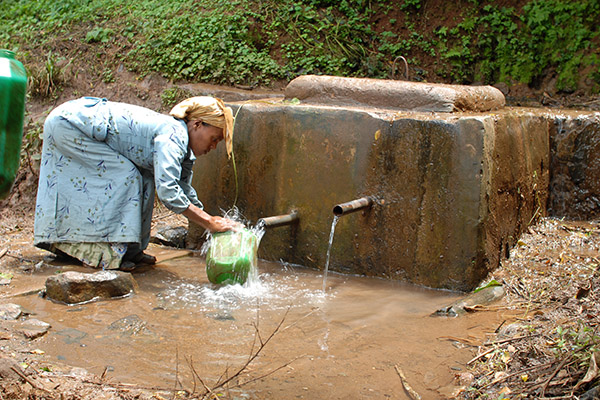
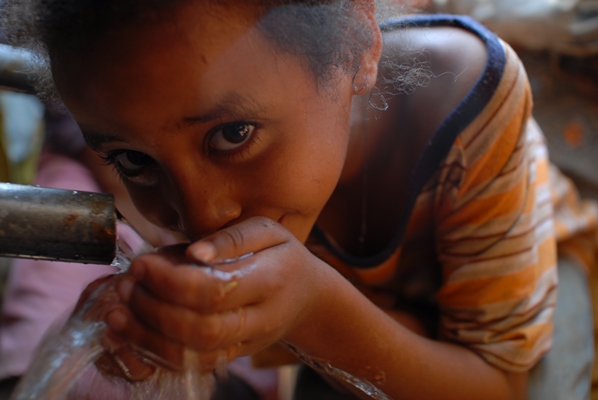
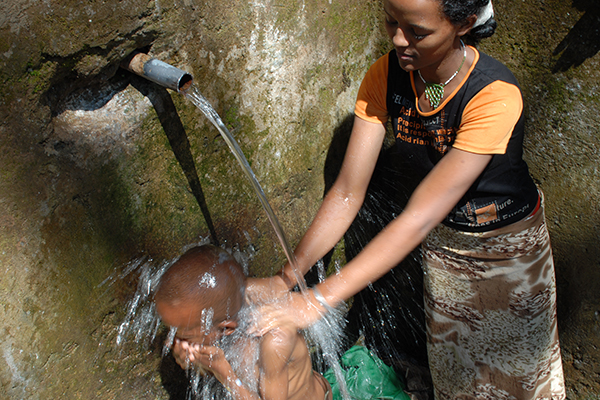
The pictures below show improvements in water provision through Fairtrade investments
in the coffee farming community of Choche, Ethiopia. We used to visit frequently, and though the project is completed, and remains in care of Rotary International, the benefits to the community continue. The photos in the gallery were taken on our visits there.
ABOUT US
Keswick & District Fair Trade Campaign, together with local businesses, have been promoting Fairtrade since 2003. We became a Fairtrade Town in March 2005.
Visit PageFIND
In and around Keswick there are many businesses serving and selling Fairtrade and other fairly traded products. Find where you can buy, stay, drink and source these.
Visit PageSUPPORT
You can promote Fairtrade and other fairly traded products by buying as much as you can. You can also help our campaign by becoming a member or supporter.
Visit PageCOFFEE & ETHIOPIA
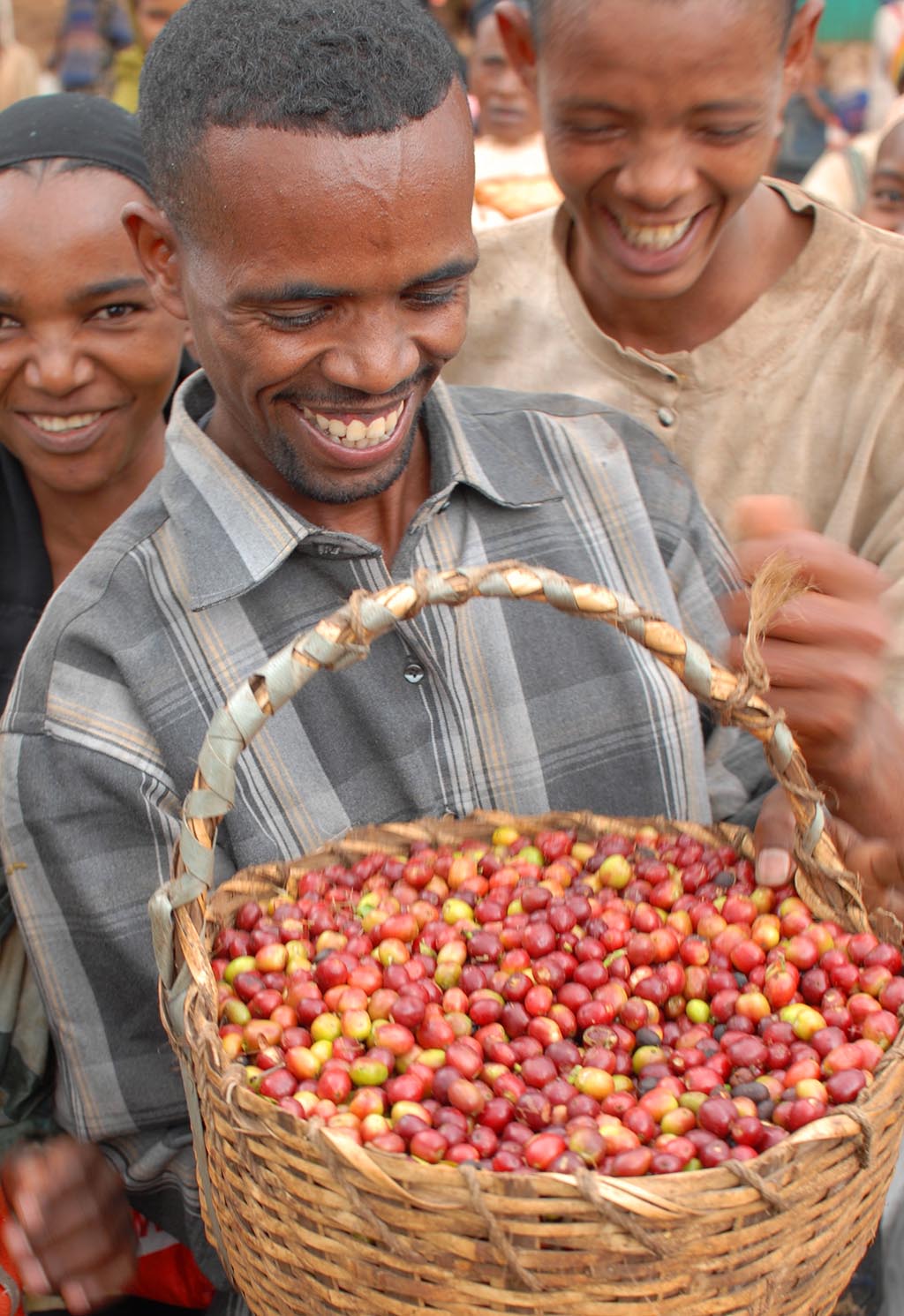
Coffee is a good example of how conventional trade can be tough for small farmers, like the ones we know in Ethiopia, and also how Fairtrade can help them.
Visit PageTRADE JUSTICE
Conventional trade often works against the interests of small producers, both here and in developing countries, because they are rarely involved in making the rules.
Visit PageFAIRTRADE or FAIR TRADE?
Confused? You are not alone – many are! Here we explain how Fairtrade and Fair Trade and similar terms are used and what the different ethical marks mean.
Visit Page
Support Fair Trade Keswick and help make a real difference
WHY SUPPORT FAIR TRADE KESWICK
FOUR FAIR TRADE PRINCIPLES ON WHICH WE CAMPAIGN
We promote Fairtrade, and any other trading system which has at its heart genuine concern for poor and marginalised producers and workers. Below you will find the bottom-line principles by which we work:
Fairtrade does this by taking account of all production costs through extensive consultation and regular review with producer organisations worldwide, and fixing a guaranteed minimum price for each product.
SAYING ‘NO’ TO CHILD LABOUR
Fairtrade does this by requiring, amongst many other things, that no child under 18 can undertake work which jeopardises his or her schooling, or social, moral or physical development.
ENSURING WHOLE COMMUNITIES BENEFIT
Fairtrade does this specifically through the payment of a ‘social premium’, to be invested in business and community development projects, such as new classrooms, clinics and clean water supplies.
BUILDING ECONOMIC, SOCIAL AND ENVIRONMENTAL SUSTAINABILITY
Fairtrade does this by encouraging long-term trading relationships, so that producers and their organisations, such as cooperatives, are not trapped in short term arrangements, but are able to plan for the future.
VIEW MORE
The latest news from Fair Trade Keswick
Keswick & District Fairtrade Campaign is a member of The Fairtrade Foundation – our Founder members being Oxfam, National Federation Women’s Institutes, Christian Aid, CAFOD & (formerly) Traidcraft. We would like to encourage new members to join our local Campaign! For a small annual donation......
14 March, 2024Thanks to the creativity and hard graft of our Chair, Bernadette Fagan,we had an eye-catching and appealing presence at two events over theChristmas period. As usual we had a Fairtrade stall at the VictorianFayre on December 3rd. The low sun and the sharp cold provided......
22 January, 2024At the Keswick Agricultural Show a large Fairtrade banana was to beseen walking round in the crowd. It was Anne Baird in the banana suit.She was greeted with smiles from adults and giggles from children and,we trust, a reminder to all to buy Fairtrade bananas......
01 September, 2023
Fair Trade Locally. Fairer Trade Worldwide.